설명
사양:
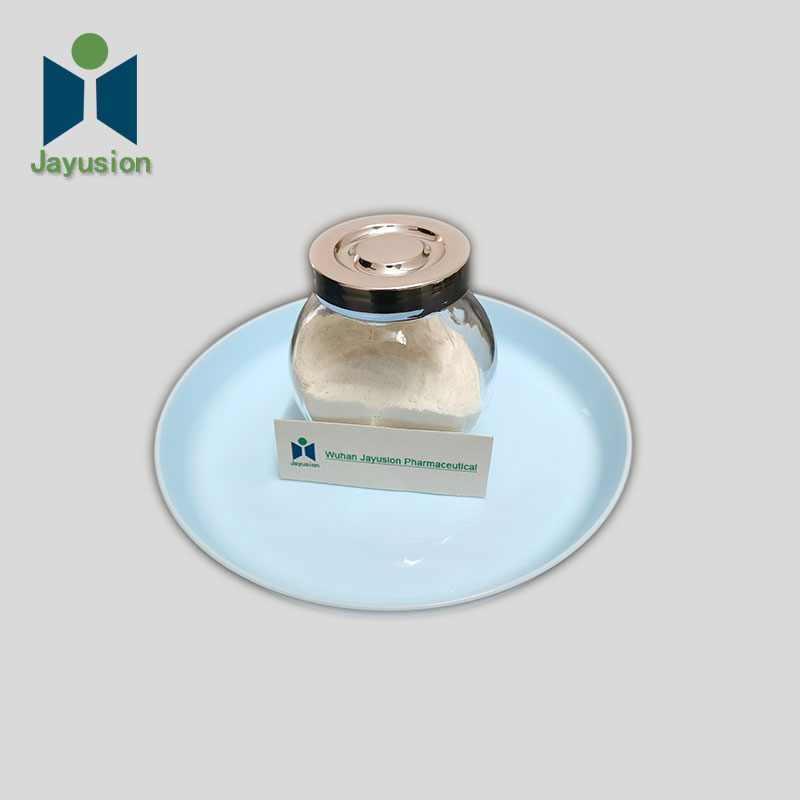
Dihydroxyacetone (DHA),also called 1,3-Dihydroxyacetone is a simple three-carbon sugar (a ketotriose) with the molecular formula C₃H₆O₃.Its Structure is
HOCH₂–CO–CH₂OH,It’s usually supplied as a white to off-white crystalline powder,hygroscopic (readily absorbs moisture from air).
| 항목 | 사양 | 결과 |
| 외관 | 흰색에서 회백색의 크리스탈 또는 크리스탈 파우더 | 준수 |
| 물 | ≤0.4% | 0.1% |
| 점화 시 잔류물 | ≤0.4% | 0.05% |
| 중 금속(pb) | ≤10ppm | <10ppm |
| 철(Fe) | ≤25ppm | <25ppm |
| 비소 | ≤3ppm | <3ppm |
| 분석 결과 | ≥98.0% | 99.2% |
Welcome to inquire us to get the more details of our Dihydroxyacetone.
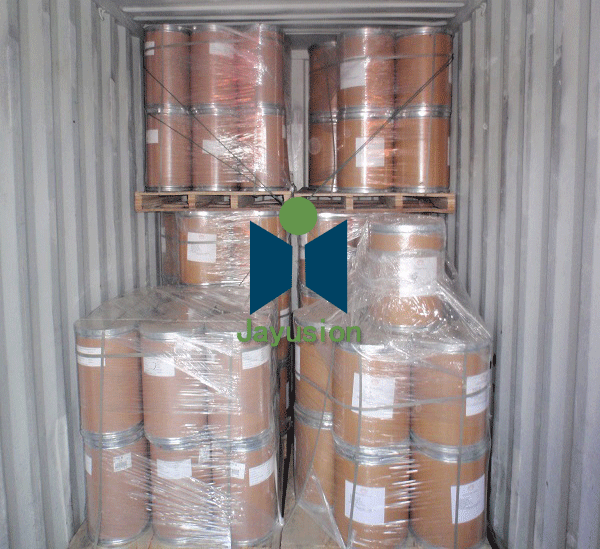
Package of 1,3-Dihydroxyacetone cas 96-26-4:
디하이드록시아세톤의 적용:
Used in sunless tanning / skin bronzing products (main use)
This is by far Dihydroxyacetone(DHA)’s most well-known and dominant commercial application:
>DHA reacts with amino acids and proteins in the outermost layer of skin (the stratum corneum) through a Maillard reaction (the same browning chemistry seen in cooking), producing brown-colored compounds called melanoidins.
>This reaction creates a temporary bronzed/tanned appearance without UV exposure, making it the active ingredient in essentially all “self-tanning” or “sunless tanning” lotions, sprays, mousses, 젤, and professional spray-tan solutions.
>The color develops gradually over several hours after application and fades naturally over days as the skin’s outer layer sheds (since it’s a surface-level reaction, not a true pigment change).
>Typical concentrations range from about 3–5% (for subtle, gradual tanners) up to 8–15%+ (for deeper, professional-level spray tans).
Safety of 1,3-Dihydroxyacetone:
통상의 상품입니다,그것의 MSDS는 제공 될 수 있다.
Practical notes:DHA is generally recognized as safe for cosmetic use on skin, but it’s not approved for use near the eyes, lips, or mucous membranes, and inhalation/spray exposure (as in spray tan booths) has raised some regulatory discussion, leading to recommendations for eye/lip protection and avoiding inhalation during application.
It provides no UV/sun protection on its own,so sunless tanning products don’t replace sunscreen.
Formulation stability is a consideration since DHA can degrade over time (affecting tanning results), and it’s often paired with other ingredients like erythrulose (a related sugar) to modify tanning tone/duration.