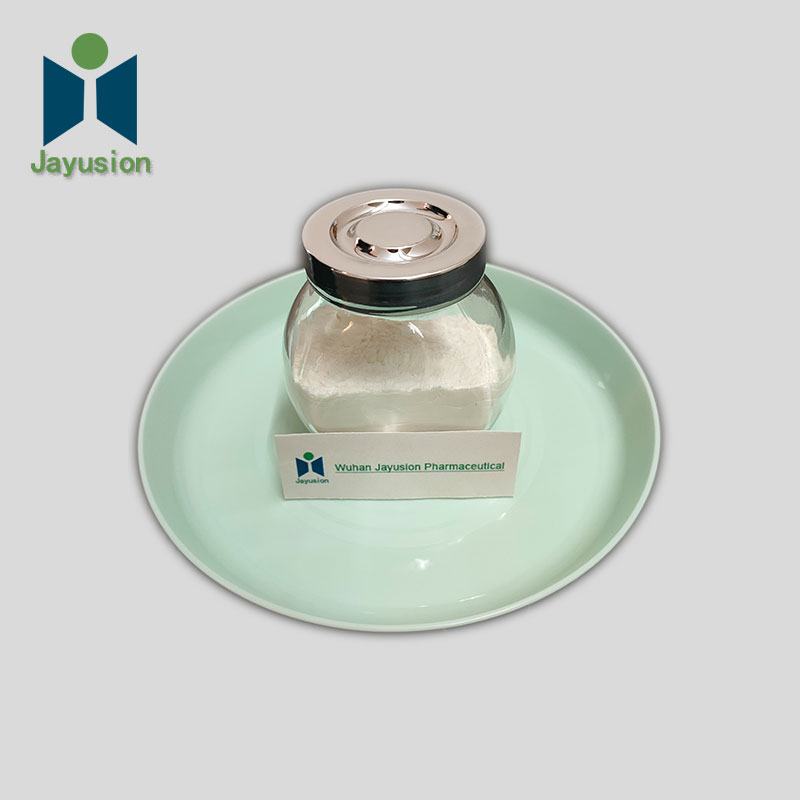
Description
Spécification du:
Sodium polyglutamate is the sodium‑form salt of poly‑γ‑glutamic acid, a water‑soluble anionic biopolymer biosynthesized mainly by microbial fermentation. Its molecular backbone consists of glutamic acid repeating units linked via γ‑amide bonds. It is non‑toxic, biodegradable, and possesses strong water‑binding capacity and film‑forming performance.
| Éléments | Spécification du | Résultat |
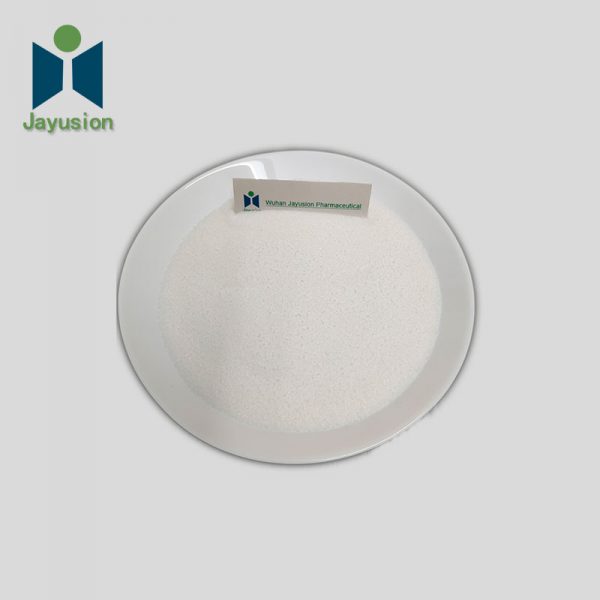
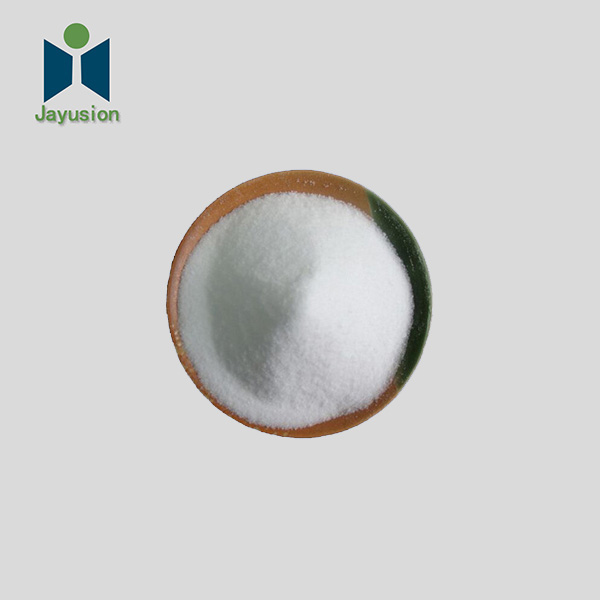
| Apparence | Blanc à blanc cassé granulaire ou poudre, Pas d’agglomération | Se conformer |
| Poids moléculaire (Da) | 700 000 ≥ | 1,100,000 |
| Perte sur le séchage(105℃,2h) | ≤8 % | 6.3% |
| PH(10g/L,25℃) | 5.0-7.5 | 6.6 |
| Transmission(5g/L,AQ,400Nm) | ≥95,0 % | 98.3% |
| Test (HPLC) | ≥92,0 % | 93.2% |
Bienvenue à nous renseigner pour obtenir plus de détails sur notre polyglutamate de sodium.
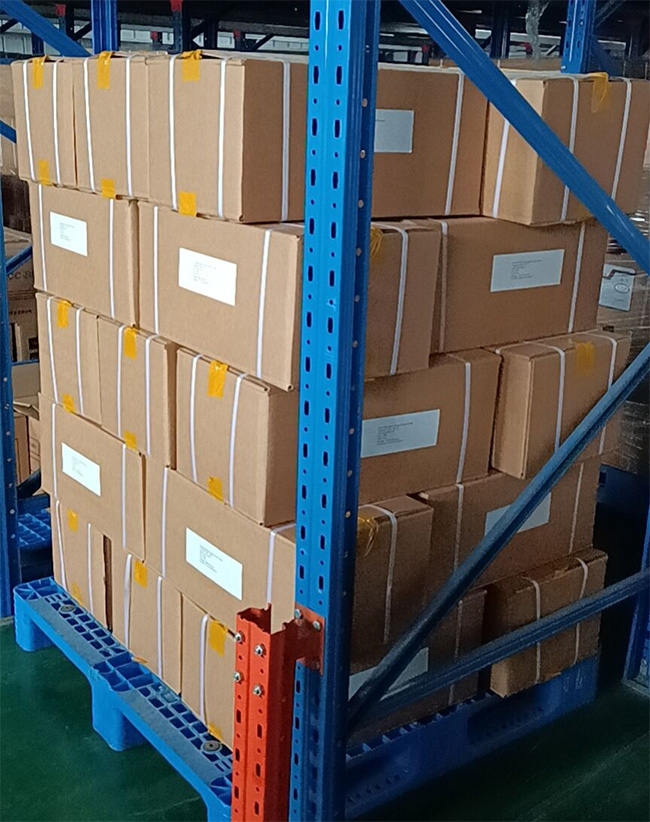
Package of our Sodium polyglutamate Cas 28829-38-1:
Application of Sodium polyglutamate Cas 28829-38-1:
1.Personal care and cosmetics
It acts as a humectant. It binds moisture on skin and hair surface, improves skin hydration, reduces transepidermal water loss, and forms a breathable thin film. It is incorporated into lotions, crèmes, masks, shampoos and hair‑care formulations to enhance moisturizing effect without heavy sticky feeling.
2. Agriculture
Used as a plant‑growth adjuvant and water‑retaining agent. It improves soil water retention, enhances fertilizer absorption efficiency for crops, reduces nutrient leaching, and helps plants tolerate drought stress. It can be mixed with fertilizers for foliar spraying or soil application.
3. Environmental & material fields
Functions as a heavy‑metal chelating agent. It can adsorb heavy‑metal ions in water systems for wastewater treatment. It is also used for preparing biodegradable hydrogels.
Sécurité de celui-ci:
C'est un produit ordinaire,la fiche signalétique de celui-ci peut être fourni.
Remark: Different molecular‑weight grades deliver distinct performances. High‑molecular‑weight fractions give better film‑forming capability; low‑molecular‑weight fractions exhibit superior permeation‑related performance.